Dog Boots for Snow and Salt: How to Choose, Fit and Train
Affiliate disclosure: This article contains affiliate links. If you buy through them, we may earn a small commission at no extra cost to you. As an Amazon Associate I earn from qualifying purchases. Links go to Amazon search results for the product types we mention, not to specific products we have tested.
Not veterinary advice. This article shares general information about dog gear only. It is not a substitute for advice from your veterinarian. Check fit and supervise your dog with new gear, toys and chews, and ask your vet about health, diet, injuries or behaviour concerns.
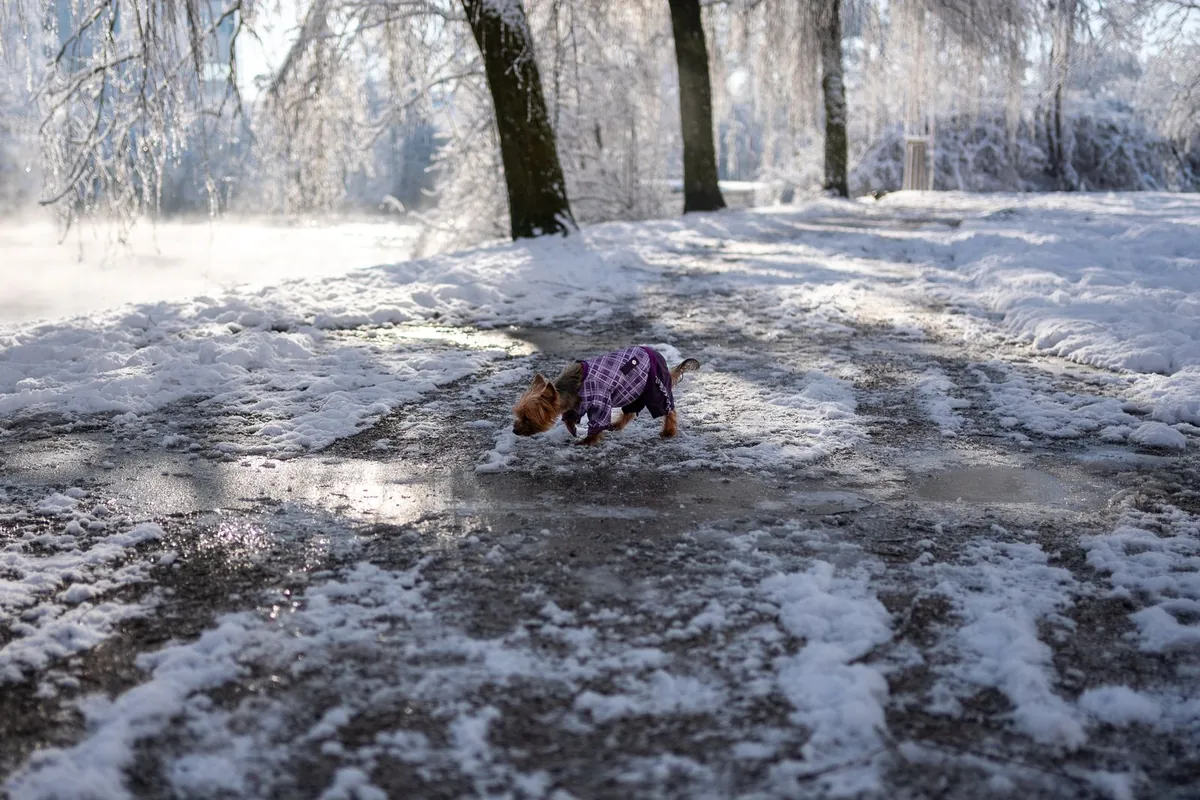
Winter can be tough on paws. Snow balls up between toes, ice can be sharp, and the salt and de-icers spread on pavements can irritate skin and get licked off later. Dog boots are one way to protect paws, though not every dog needs them, or will wear them.
Here's how to decide, and how to get the fit right.
Does your dog need boots?
Boots are most useful if:
- You walk on salted or chemically treated pavements often.
- Your dog gets painful snowballs between its toes.
- Your dog has sensitive or cracked pads, or a paw injury your vet wants protected.
- You hike on icy, rough or crusty snow.
- Your dog is older and slips on ice (boots with grippy soles can help some dogs).
Many dogs with tough pads that walk mainly on grass or fresh snow are fine without them, especially if you rinse and dry paws after walks.
What to look for in dog boots
- Grippy, flexible sole that lets the paw move naturally.
- Secure closure, usually a wide adjustable strap above the dewclaw area or around the wrist.
- Water-resistant upper for wet slush.
- Wide opening to make them easier to put on.
- Reflective trim for dark walks.
- Soft lining for comfort, especially on longer walks.
Lightweight balloon-style rubber boots are another option. They're thin and stretchy, keep salt and water off, and some dogs accept them more easily than stiffer boots. They can wear out faster.
How to measure your dog's paws
Measure the front paws, as they're usually the largest. Some brands also give separate back-paw sizes.
- Put a sheet of paper on a hard floor.
- Lift the opposite front paw so your dog puts its weight on the paw you're measuring. Paws spread under weight.
- Mark the paper at the very front of the longest nail, the back of the main pad, and both sides at the widest point.
- Measure length and width between the marks.
- Compare with the size chart for the boots you're considering. If your dog is between sizes, check reviews on whether that style runs small or large.
Trim nails before measuring if they're long. Long nails can push against the toe of the boot.
Fit checks
- The boot shouldn't twist when your dog walks.
- The strap is snug enough that it won't slide off, but you can fit a finger under it.
- Your dog's toes aren't pressed against the front.
- No rubbing marks after the first short walk. Check the skin above the strap.
How to get your dog used to boots
Almost every dog walks oddly the first time it wears boots, lifting its feet high like it's stepping through puddles. That's normal. Take it slowly:
- Let your dog sniff the boots and reward it.
- Put one boot on for a few seconds, treat, take it off.
- Build up to all four boots indoors for a minute, with treats and play to distract.
- Try a short walk outside, where the new smells usually take your dog's mind off its feet.
- Increase the time a little each day.
Never leave boots on when you can't supervise, as dogs may chew them.
If you want to compare, try searches for dog boots for snow with non slip soles or disposable rubber dog booties.
If your dog won't wear boots
You can still protect paws:
- Paw balm or wax before walks creates a barrier against salt and snow. A dog paw balm made for pets is a good choice, as your dog will lick some off.
- Trim the fur between the pads so snow doesn't ball up as much. Our grooming tools guide covers safe options.
- Choose routes with grass or untreated paths.
- Rinse and dry paws after every walk with lukewarm water and a towel.
- Use a pet-safe de-icer at home, and check the label.
Boots, socks or balm: a quick comparison
- Full boots: the most protection from salt, ice and sharp crust. They take the longest to get used to and need careful sizing.
- Thin rubber booties: light and waterproof, and often easier for dogs to accept. Less grip and less durable on rough ground.
- Grip socks: meant for slippery floors indoors, not for snow or slush. They soak through quickly outside.
- Paw balm: quick and simple, with no training needed. It gives a light barrier rather than full protection, and needs reapplying.
Many owners use a mix: balm for short walks around the block and boots for long walks on salted streets or icy trails.
After-walk paw care
- Wipe or rinse each paw, including between the toes.
- Dry thoroughly.
- Check for cuts, cracks, redness or ice stuck between toes.
- Apply balm if pads look dry.
If you notice limping, bleeding, swelling, persistent licking or pads that look raw, ask your vet. Pair boots with a warm coat for cold walks; our winter dog coat guide explains fit.
If your dog pulls toward every snowbank, a well-fitted harness makes winter walks easier. See how to choose a dog harness.
Frequently asked questions
Do dogs really need boots in the snow?
Not always. Boots help most on salted pavements, rough ice, or for dogs that get snowballs or have sensitive paws.
Is road salt bad for dogs' paws?
Salt and some de-icers can dry and irritate pads, and can upset the stomach if licked off. Rinse paws after walks.
Why does my dog walk funny in boots?
Boots change how the paw feels the ground. Most dogs adapt after a few short, positive sessions.
How do I keep dog boots from falling off?
Choose the correct size, tighten the strap snugly above the paw, and check that the boot doesn't twist.
Can dogs wear boots all day?
No. Use them for walks and take them off indoors so paws can breathe and dry.
Read next: Indoor Dog Enrichment Ideas for Cold, Rainy or Snowy Days →